Unlock Your Creativity: The Ultimate Overview to T-Shirt Screen Printing Success
On the planet of t-shirt screen printing, the journey from idea to creation is both detailed and satisfying. Recognizing the essential methods and tools is important for anyone wanting to produce high-quality styles that resonate with their audience. This guide intends to brighten the essential steps and ideal techniques that can elevate your screen printing ventures. Nonetheless, the course to success is not simply about understanding the craft; it additionally includes strategic advertising to successfully display your unique offerings. What are the essential understandings that can change your approach to this innovative process?
Recognizing Screen Printing Essential
Comprehending the principles of screen printing is important for anybody aiming to create premium custom-made T-shirts. This functional printing method includes moving ink through a mesh screen onto textile, allowing for vivid and resilient designs. The procedure starts with creating a stencil, known as a display, which is designed to block out locations where ink should not be applied.
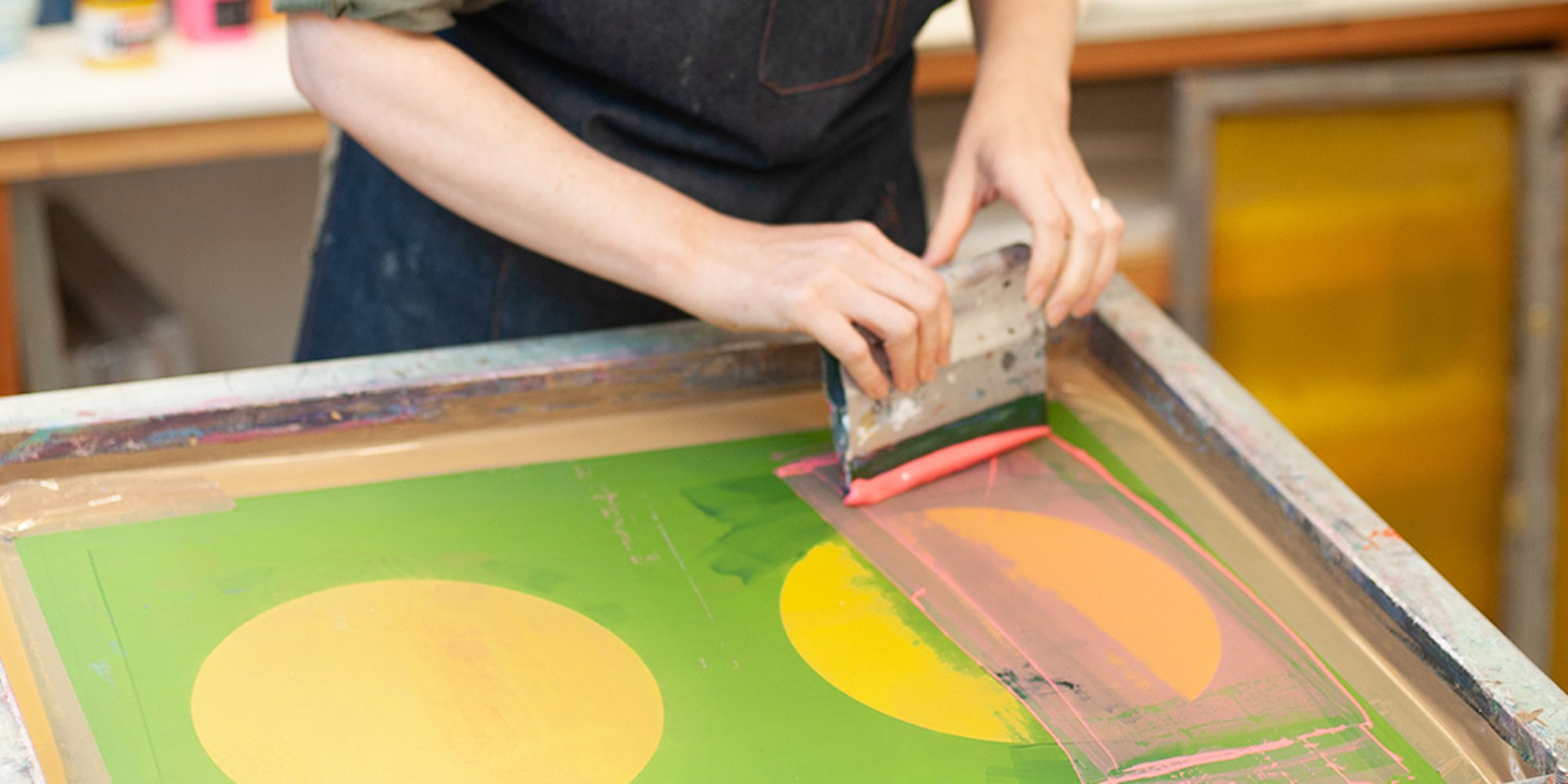
Once the screen is prepared, the textile is located underneath it, and ink is pushed with the mesh making use of a squeegee. This method makes it possible for precise application and can fit different design and colors. The charm of screen printing lies in its capability to generate large quantities of consistent prints, making it a preferred option for businesses and occasions.
Additionally, understanding the complexities of screen printing can considerably affect the end product. Elements such as ink thickness, mesh count, and curing approaches can influence the overall high quality and sturdiness of the print. By grasping these standard concepts, individuals can guarantee their customized T-shirts not just meet visual expectations yet additionally stand the test of time relating to wear and washability.
Essential Products and Equipments

Next off, you will certainly require a squeegee, a tool used to press ink through the screen onto the fabric. The type of squeegee and its durometer (hardness) can influence the high quality of the print, so pick one ideal for your job.
Inks are one more important component; plastisol and water-based inks are one of the most common choices, each offering special properties and surfaces. A reliable heat source, such as a flash dryer or warm press, is essential for treating the ink appropriately, ensuring toughness and washability.
Extra products consist of solution and a light source for creating stencils, as well as tape for securing the screen and protecting against ink hemorrhage. Ultimately, an office outfitted with cleaning materials will certainly help with proper upkeep of your devices and screens, inevitably boosting your printing performance.
Designing Your T-Shirt Graphics

Producing engaging graphics for your T-shirts is an essential action in the screen printing procedure. The layout needs to not just catch interest but likewise convey a message or theme efficiently. Begin by conceptualizing concepts that reverberate with your target audience. Consider current patterns, cultural references, or personal experiences that can influence distinct styles.
Make use of style software application such as Adobe Illustrator or CorelDRAW to bring your concepts to life. Take note of color theory; choosing the right combination can significantly influence the total charm of your graphics. Verify that your design is high-resolution, ideally 300 DPI, to keep clarity when published.
Think of the placement of your graphics on the Tees. Usual areas include the front facility, back, or sleeves. Each positioning has its own aesthetic impact, so choose carefully based on your design and target audience. Furthermore, consider the type of ink and fabric you will certainly be utilizing, as these can affect the final appearance of your graphics.
Preparing Your Screens
Prep work is important for achieving high-quality screen prints. The procedure starts with picking the appropriate mesh screen, as the mesh count straight affects the information and top quality of your prints. A finer mesh count is appropriate for elaborate layouts, while a coarser matter works best for strong graphics.
Next, make sure that your screens are clean and complimentary from any kind of pollutants. Dirt, grease, or remaining emulsion can jeopardize print high quality. Use a degreasing option to thoroughly clean the screens before applying the solution.
Applying the solution equally is important, as any disparities can bring about unwanted blemishes in the last print. Make use of an inside story coater for a smooth, consistent layer, and permit ample time for drying in a dark atmosphere to avoid exposure to light.
When completely dry, it's time to expose your screens using a source of light. Comply with the supplier's guidelines for exposure times to achieve the very best outcomes. After direct exposure, rinse the displays very carefully to expose your design, making certain that the areas meant to publish are clear. Correctly ready displays will establish the foundation for a successful printing procedure, enhancing the general top quality of your t-shirt layouts.
The Printing Process Explained
Recognizing the printing procedure is important for accomplishing high-grade lead to screen printing. This area will certainly cover key elements including efficient screen prep work strategies, different ink application techniques, and the essential curing and finishing steps. Each of these elements plays a significant role in the overall success of the printing project.
Screen Prep Work Techniques
Effective screen preparation is essential for achieving top quality prints in the screen printing process (Custom T-Shirt Design & Printing Texas). The success of your prints largely relies on the precise prep work of the screen, which works as the foundation for your design
Begin with picking an appropriate screen mesh, as the mesh count affects the information and opacity of your prints. A greater mesh matter is optimal for intricate layouts, while a lower matter appropriates for strong graphics. Next off, correctly degrease the screen to get rid of any kind of pollutants that might impact adhesion. This action ensures that the solution sticks evenly to the screen surface.
After degreasing, apply a light-sensitive solution making use of an inside story coater, guaranteeing a consistent layer across the screen. Exposure to light will certainly set the emulsion where it is not covered by your design, so it is critical to use a well-contrasted openness film for ideal results. Post-exposure, wash out the unexposed solution, disclosing the stencil for your layout.
Ink Application Techniques
Precision in ink application is crucial for achieving dynamic and consistent outcomes in the screen printing procedure. Various methods can be utilized to use ink effectively, each with distinctive advantages depending on the style and textile kind.
The most common method is making use of a squeegee, which uniformly distributes ink throughout the screen to move the layout onto the substratum. The pressure and angle at which the squeegee is held can greatly impact the ink's thickness and clarity. For elaborate or detailed styles, a better mesh screen can be used, enabling more precise ink application.
An additional technique is flooding coating, where a layer of ink is initial spread across the screen prior to the real printing stroke. This technique guarantees a constant ink circulation and lowers the risk of smudging or irregular application.
For sure applications, specialty devices such as rollers or spray guns may be utilized, providing extra versatility. Each technique calls for ability and method to master, however recognizing the subtleties of ink application can extremely boost the top quality of your screen printing job, causing dynamic and resilient prints on your T-shirts.
Healing and Finishing Steps
As soon as the ink has actually been put on the Tee shirts, the following stage in the screen printing procedure entails treating and completing the prints to confirm durability and high quality. Curing is the vital step that assures the ink sticks effectively to the textile, stopping fading or peeling off throughout putting on and washing. This is normally attained through heat, where the printed shirts are subjected to a details temperature for a set period, permitting the ink to bond with the fibers.
There are several techniques of curing, with the most typical being the usage of a conveyor clothes dryer or a warmth press. Conveyor clothes dryers offer consistent heat and are appropriate for larger batches, while heat presses are perfect for smaller runs or specialty products. It is essential to check the temperature and time accurately, as not enough curing can result in jeopardized prints.
Curing and Completing Your Prints
Treating and finishing your prints is an essential action in the screen printing procedure, as it guarantees the longevity and vibrancy of the design. Comprehending efficient treating methods can greatly impact the last product, while dealing with typical problems throughout this phase can improve general quality. This area will certainly discover the importance of proper treating, various finishing methods, and just how to repair constant challenges.
Importance of Proper Treating
Making sure correct healing is important for achieving top quality screen prints that are durable and visually attractive. Curing describes the process of applying heat to the published ink, which causes chemical responses that strengthen the ink onto the textile. This action is essential for ensuring that the ink sticks efficiently, avoiding issues such as cracking, fading, or peeling gradually.
The treating process differs depending upon the kind of ink utilized; plastisol inks, for example, generally call for a temperature of around 320 ° F(160 ° C) for sufficient curing. Inadequate healing can bring about an array of problems, consisting of poor wash resilience, which may result in the print degrading after simply a couple of washes.
Furthermore, proper treating improves the vibrancy of the print colors, ensuring that designs maintain their designated appearance. It is very important to keep an eye on the healing temperature and time accurately, utilizing trusted tools such as a heat press or conveyor dryer.
Methods for Efficient Finishing
Three crucial techniques can considerably boost the completing process of screen-printed T-shirts, guaranteeing both sturdiness and aesthetic appeal. Effective treating is vital. Making use of a trustworthy heat resource, such as a conveyor clothes dryer or heat press, warranties that the ink gets to the ideal temperature. Screen Printing. This not just establishes the ink yet likewise enhances adhesion to the fabric, leading to a long-lasting print
Second, correct cleaning and drying out methods contribute substantially to the finishing quality. After curing, allow the T-shirts to cool sufficiently prior to handling. When washing, choose for cool water and moderate cleaning agents to maintain the vibrancy of the colors. Air drying is more effective, as it lessens the danger of heat damages from clothes dryers.
Think about post-curing treatments. Applying a warmth press for a few secs after the preliminary healing can further improve the ink's resilience and offer a smoother finish. In addition, including completing conditioners or sprays can boost the responsive feeling of the textile, elevating the overall quality of the Tee shirts. By implementing these techniques, you can achieve an expert criterion in your screen-printed layouts, adding to customer contentment and repeat organization.
Fixing Typical Problems
Also with correct strategies in position, problems can still occur during the curing and finishing stages of screen printing. One usual problem is insufficient curing, which can result in prints that rinse or discolor swiftly. To address this, verify your treating temperature matches the supplier's requirements for the ink being used, typically around 320 ° F (160 ° C) Make use of a dependable heat source, like a conveyor clothes dryer, and confirm the temperature with a heat weapon.
An additional issue is under-exposure during the printing procedure, which can cause inadequate attachment and splitting. To repair this, inspect your direct exposure times and change based upon the details solution and light resource.
Additionally, irregular finishes can happen due to improper application of the completing spray or too much ink application - Abilene T-Shirt Screen Printing Company. To treat this, apply a constant layer of spray and confirm that your squeegee strategy is uniform
Lastly, constantly allow sufficient time for prints to cool down previously managing. This lowers the risk of smudging and validates the stability of the layout. By following these guidelines, you can efficiently troubleshoot and improve the high quality of your screen-printed layouts.
Tips for Marketing Your T-Shirts
Efficiently marketing your tees requires a mix of imagination and calculated planning. Begin by determining your target audience; recognizing their choices will certainly assist your design and marketing initiatives. Utilize social media sites systems to display your productions. Involving visuals and engaging storytelling can help establish a brand identity that resonates with prospective clients.
Utilize influencer collaborations to broaden your reach. Teaming up with people that line up with your brand values can offer reliability and attract new followers. Furthermore, take into consideration running targeted advertisements on platforms like Facebook and Instagram to reach a wider target market, making certain to tailor your messaging based upon demographic insights.
Don't overlook the power of local occasions and pop-up shops. Participating in area markets or fairs allows you to connect directly with customers and develop brand loyalty. Offer limited-edition designs or unique offers to create necessity.
Often Asked Questions
Exactly how Do I Choose the Right Textile for Screen Printing?
Selecting the best textile for screen printing entails considering variables such as structure, absorbency, and weight. Cotton blends are excellent for dynamic prints, while artificial materials supply durability. Select materials compatible with your ink kind for best results.
Can I Print on Colored or Dark T Shirts?
Yes, you can publish on tinted or dark tee shirts. Nevertheless, it is important to utilize specialized inks, such as plastisol or discharge inks, which supply ample opacity to ensure lasting and lively designs on darker textiles.
What Is the Finest Method to Store My Screens?
To assure longevity and optimal efficiency, shop your displays level in a cool, dry atmosphere, far from straight sunlight. Usage protective covers to prevent dust accumulation and prevent stacking to stop damage to the emulsion.
How Often Should I Clean My Screens?
Regular cleansing of displays is essential to preserve print quality and long life. It is a good idea to tidy screens immediately after usage, making sure the removal of ink and emulsion, thus protecting against accumulation and protecting peak performance.
What Prevail Mistakes to Stay Clear Of in Screen Printing?
Usual errors in screen printing consist of improper screen stress, poor ink blending, ignoring to clean screens extensively, incorrect exposure times, and falling short to perform test prints. Each of these can considerably affect the final item's high quality.
At the foundation of any kind of screen printing configuration is the screen itself, commonly made of polyester mesh extended over an aluminum or wood frame. Efficient screen preparation is crucial for attaining high-quality prints in the screen printing process. Precision in ink application is necessary for attaining lively and regular outcomes in the screen printing process. When the ink has been used to the Tee shirts, the next phase in the screen printing procedure includes curing and completing the prints to confirm longevity and quality. Screen Printing. Common informative post errors in screen printing include incorrect screen stress, inadequate ink mixing, overlooking to tidy displays extensively, wrong exposure times, and falling short to perform examination prints
Comments on “Business Branding Services case studies that prove the power of good design”